
展覧会情報
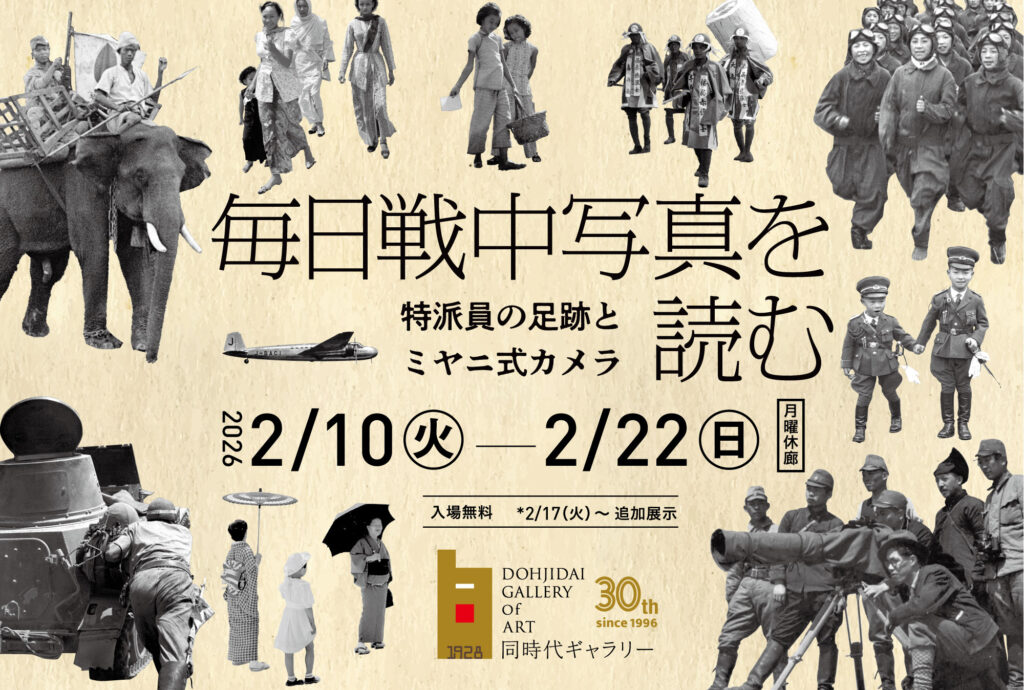
毎日戦中写真を読む 特派員の足跡とミヤニ式カメラ
毎日新聞社
| 場所: | ギャラリービス |
|---|---|
| 会期: | 2026-02-17(火) ~ 2026-02-22(日) |
| 時間: | 12:00-19:00 最終日17:00まで |
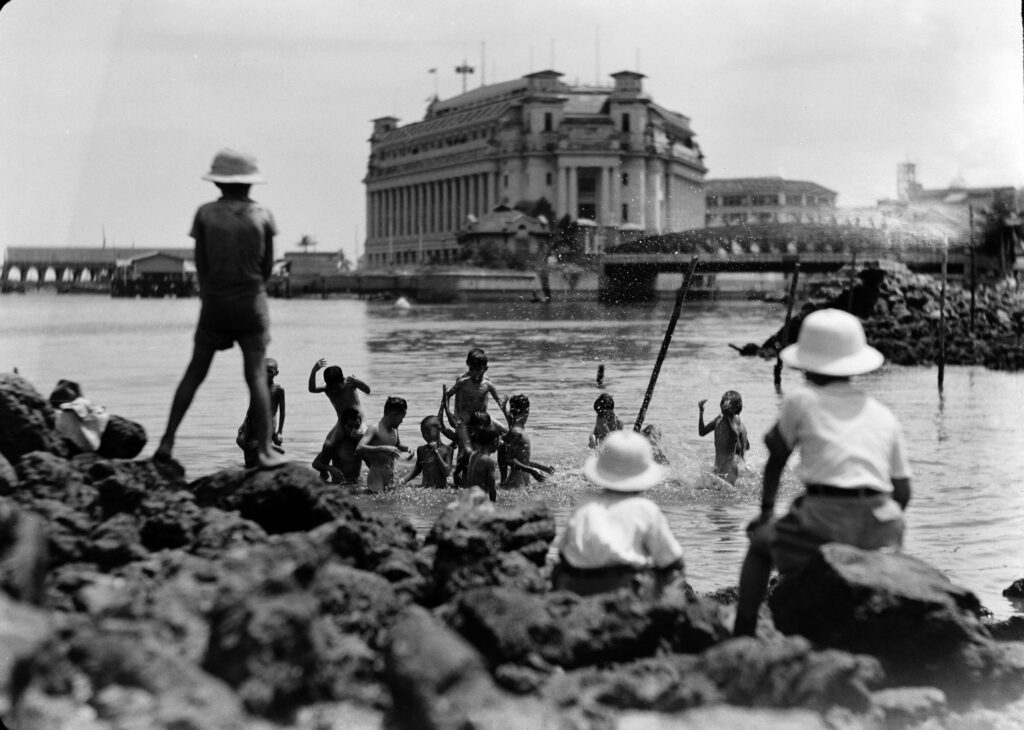
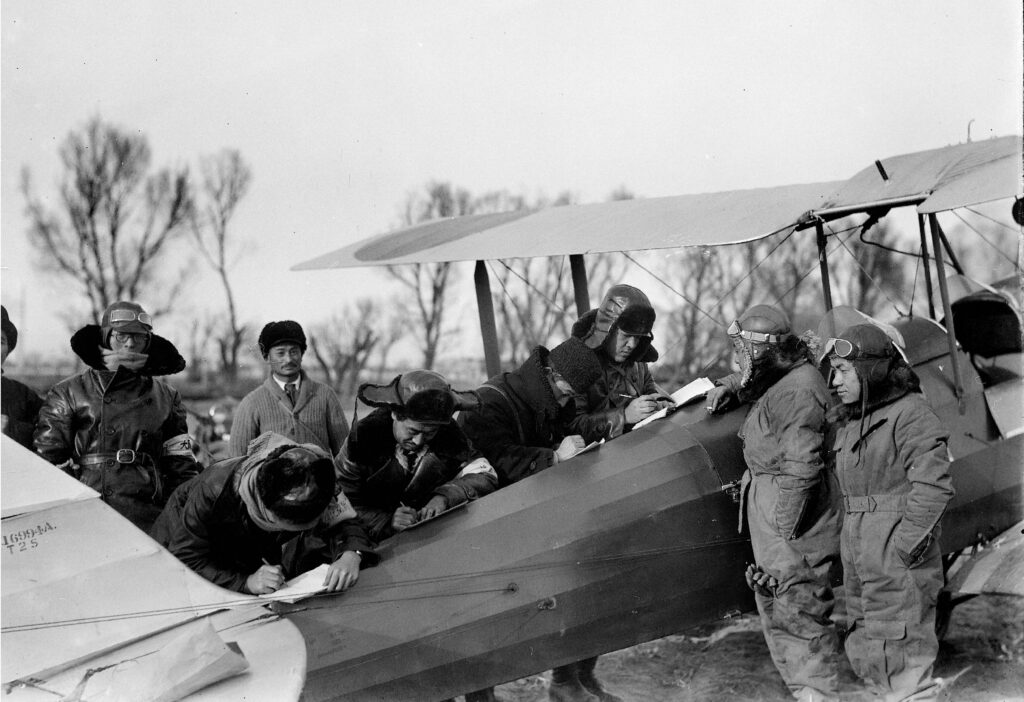
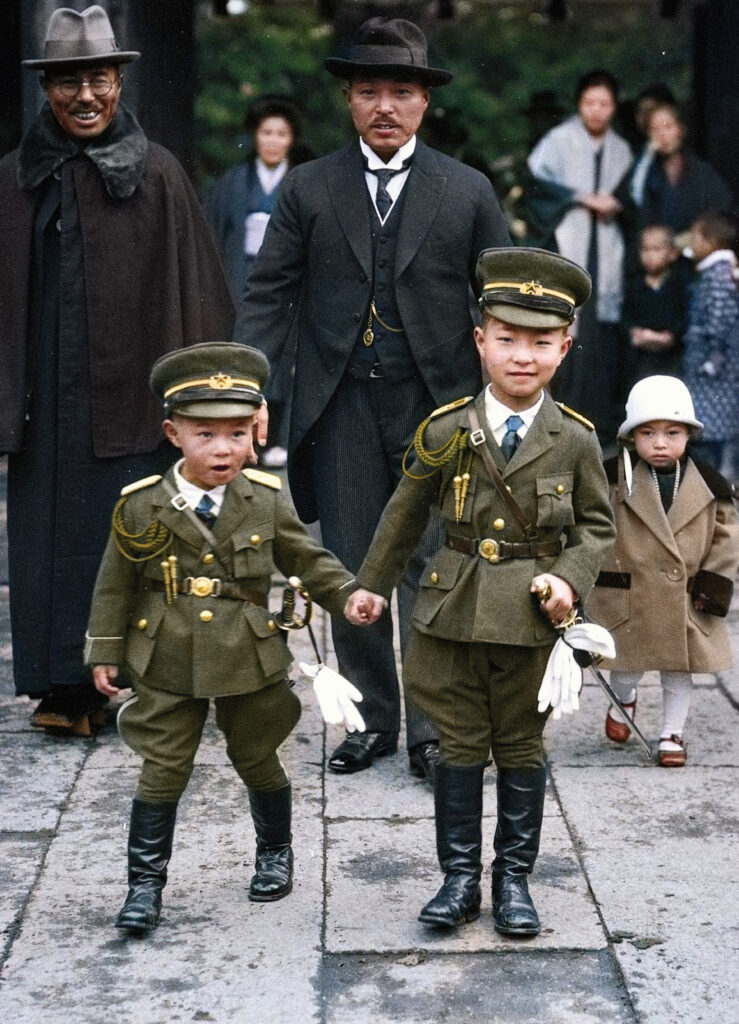
画像をクリックいただくと、拡大表示されます。
展覧会内容
太平洋戦争(第二次世界大戦)が終わって80年余。今も世界では戦争により多くの人命が失われています。戦争はどのように始まり、人々から大切な人や日常を奪っていくのでしょうか。
毎日新聞社には日中戦争から太平洋戦争にかけて600人余の海外特派員が撮影した約6万枚のネガが保存されています。2022年からこれらのデジタルアーカイブ化を進めるとともに、東京大学・京都大学との共同研究によって背景を読み解き、未来を生きる世代に伝える方法を検討してきました。戦争を直接体験した人が少なくなるなか、資料を通して戦争と平和を「自分ごと」として考えてもらえる仕組みを、考えてきました。
本展会場は、1928年に大阪毎日新聞社が昭和天皇即位大典の取材・写真電送拠点として建設し、1999年まで京都支局の編集フロアだった場所になります。記者たちの息遣いの残る場で、その足跡を辿りつつ、戦争とは何か、そして情報とどのように向き合うべきか、「今」の問題として展示をご覧いただけますと、うれしく思います。
More than eighty years have passed since the end of World War II, including the Pacific War in Asia. Yet even today, global wars continue to claim countless lives. How does war begin, and how does it strip people of their loved ones and everyday lives?
The Mainichi Shimbun preserves approximately 60,000 photographic negatives taken by more than 600 overseas correspondents during the Sino-Japanese and Pacific Wars. Since 2022, the company has been digitizing this collection and, through joint research with the University of Tokyo and Kyoto University, examining the historical context of the images and exploring ways to convey their meaning to future generations. As the number of people who directly experienced the war declines, these materials offer a way to reflect on issues that concern us all: war and peace.
The exhibition is held in a building constructed in 1928 by the Osaka Mainichi Shimbun as a reporting base for the imperial enthronement ceremonies of Emperor Showa. Until 1999, it served as the editorial floor of the Kyoto Bureau. In this space, we invite you to trace the footsteps of the journalists who once passed through here, ponder the meaning and effects of war, and consider how we consume information.
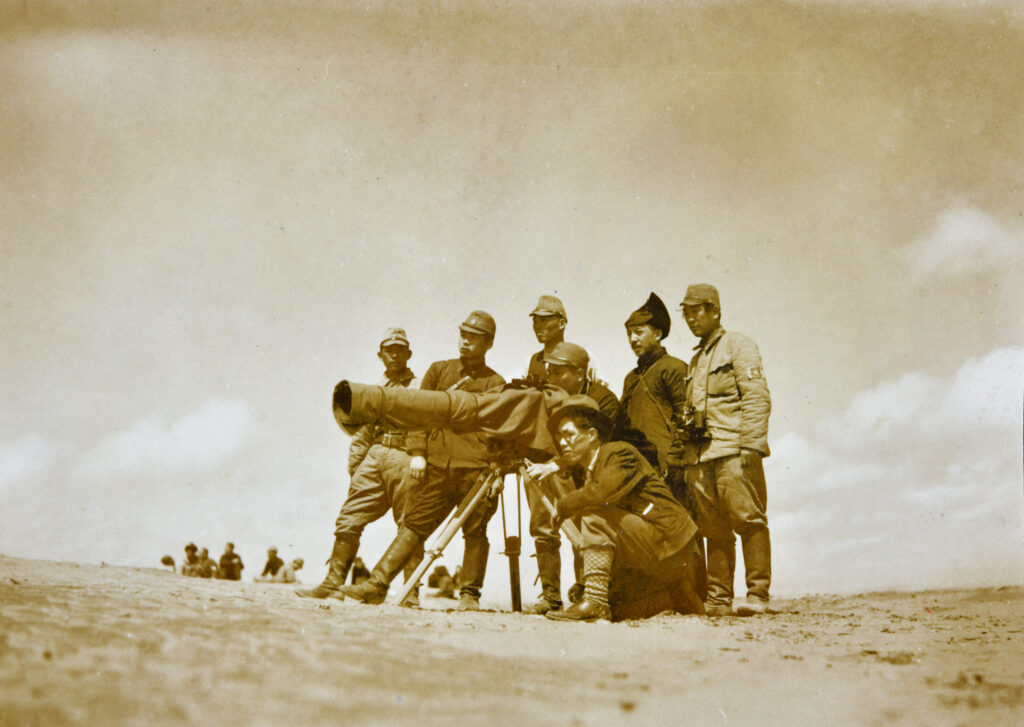
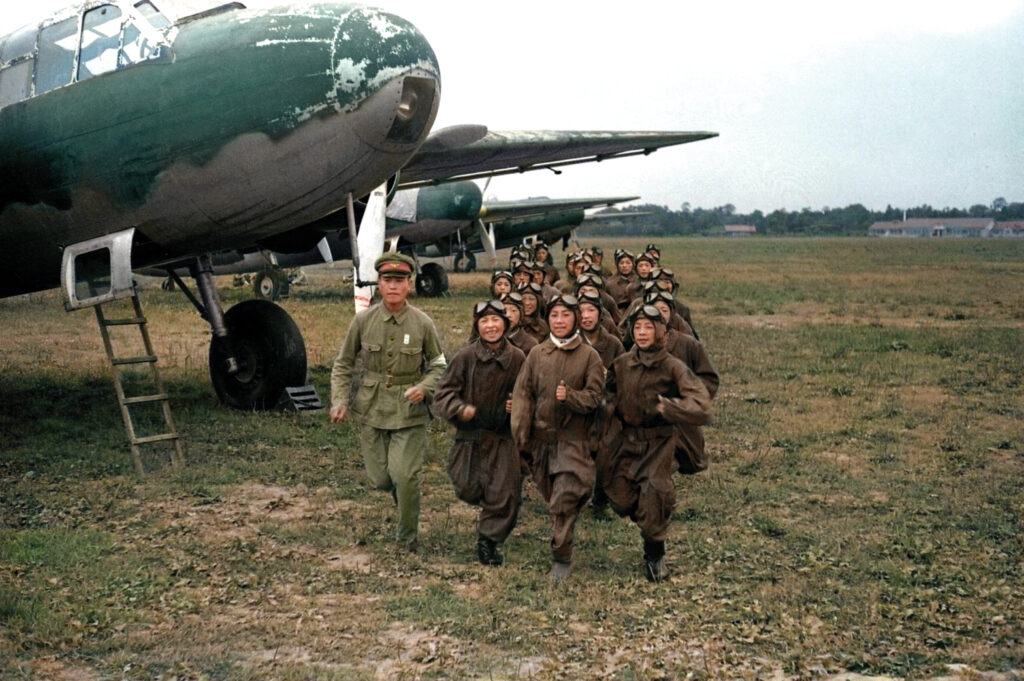
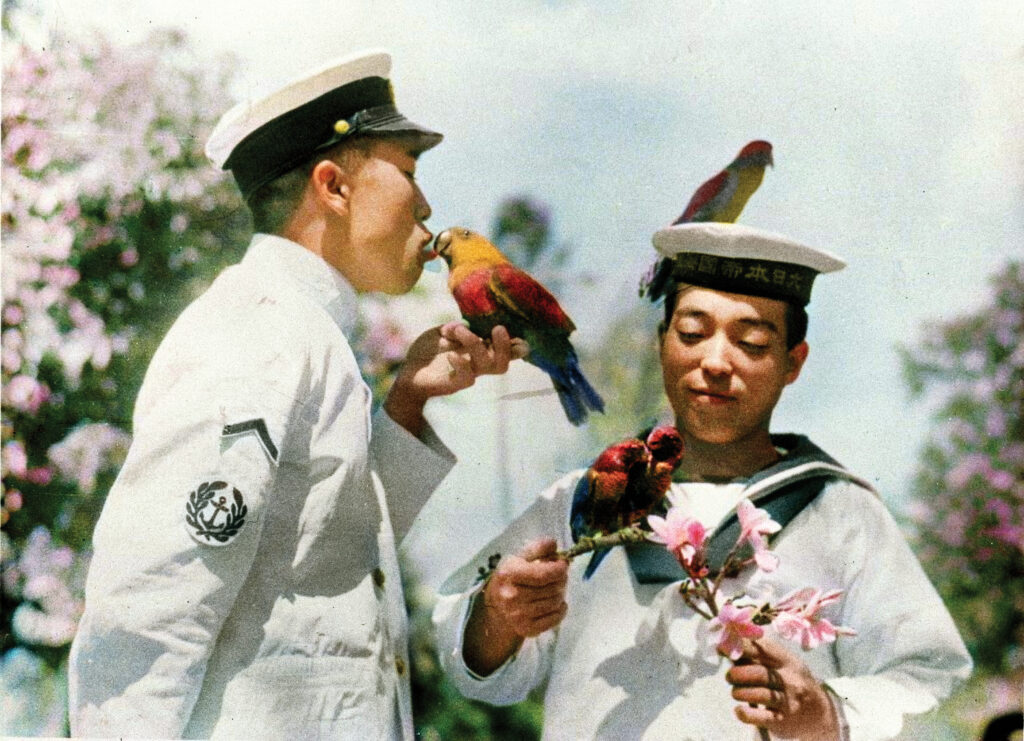
本展は、1特派員の足跡、2「ミヤニ式」と戦前の京都、3不許可とフェイク、4戦争と子ども・女性、5戦争と動物——の5章で構成します(4,5章は2月17日からの展示になります)。2章では京都で開発された「ミヤニ式反射望遠鏡カメラ」と開発者・宮澤堂さん撮影の写真も展示します。
This exhibition comprises five chapters: 1. The Footsteps of Correspondents 2. The Miyani-style Camera and Prewar Kyoto 3. Prohibited Images and Fabrication 4. War, Children, and Women 5. War and Animals. Chapters 4 and 5 will be available from 17 February.Chapter 2 will also feature the Miyani-style camera developed in Kyoto, alongside photographs taken by its developer, Takashi Miyazawa.
ギャラリートーク
2月10日17:00〜 「ミヤニ式」望遠鏡を開発した宮澤堂さんの次男・徹さん、孫・修平さんをゲストに、6万枚のネガをデジタルデータ化した中村真一郎・元大阪本社写真部長、「毎日戦中写真」プロジェクトを担当している佐々木博子、中島みゆきが展示について語ります。
2月18日17:00〜 「毎日戦中写真」共同研究の代表者であり、後半から展示される「戦争と動物」「戦争と女性・子ども」のカラー化に携わった渡邉英徳・東京大学大学院教授が、戦争の記憶を次世代に伝えるための取り組みについて語ります。
*いずれも参加無料、事前申し込み不要
*終了後に簡単なレセプションあり(無料)
アーティスト詳細
毎日戦中写真
「毎日戦中写真」は戦時中、毎日新聞特派員が海外で撮影した約6万点の写真群です。戦場だけでなく、兵士の日常、現地の街並みや人々など多様な姿を伝えています。軍の廃棄命令から守り通した出稿記録簿からは、特派員の足跡や検閲過程を追うことができます。
公式サイト:https://mainichi.jp/senchu/
連載「戦中写真を読む」: https://mainichi.jp/senchu/syashinyomu/
The Mainichi Wartime Photographs collection includes pictures that staff managed to salvage after the military ordered newspaper companies to burn all wartime photos immediately after the war. In response to this attempt by the military to dispose of what it worried could be used as evidence of war crimes, then head of photography Masao Takada insisted that photos taken at the risk of the lives of correspondents could not be destroyed.
Website in English:https://mainichi.jp/english/mainichi-wartime-photographs/
宮澤堂(みやざわ・たかし)
1909年、神奈川県小田原市に生まれる。東京物理学校(現・東京理科大学)を首席卒業後、京都帝国大学花山天文台職員となる。1939年に大阪毎日新聞社から発注を受け、国内初の反射式望遠鏡写真機を西村製作所とともに制作。宮澤の「ミヤ」と西村の「二」から「ミヤニ式」と命名されました。
本展では「ミヤニ式」開発風景、戦場取材や国内で撮影されたカットのほか、無類のカメラ好きだった宮澤氏が遺した写真から、戦前の京都の姿もご覧いただきます。
Born in Odawara, Kanagawa Prefecture. Graduated at the top of his class from Tokyo Butsuri Gakko, now Tokyo University of Science.Joined the Kwasan Observatory of Kyoto Imperial University.In 1939, the Osaka Mainichi Shimbun commissioned its development from Takashi Miyazawa, a researcher at Kyoto University’s Kwasan Observatory, and Nishimura Manufacturing, an optical company based in Kyoto. The camera was completed and delivered in December of the same year. It was named the Miyani-style, combining “Miya” from Miyazawa and “Ni” from Nishimura.
This exhibition illustrates the development of the Miyani-style and its use in wartime reporting, along with photographs left by Miyazawa, an avid camera enthusiast, which capture scenes of prewar Kyoto.